

What Is Air Sealing?
Insulation and air sealing are two different boundaries. Insulation is the thermal boundary that slows heat transfer; air sealing is the pressure boundary (air barrier) that stops air from moving through the home. A home can be insulated without being sealed. Warm air rises in a home, causing a “stack effect,” where it exits high and creates negative pressure that pulls air replacement from the bottom of the home to replace the air leaving the top of the house. Air sealing prevents this by closing gaps in:
Attic bypasses around chimneys, plumbing stacks, and dropped soffits
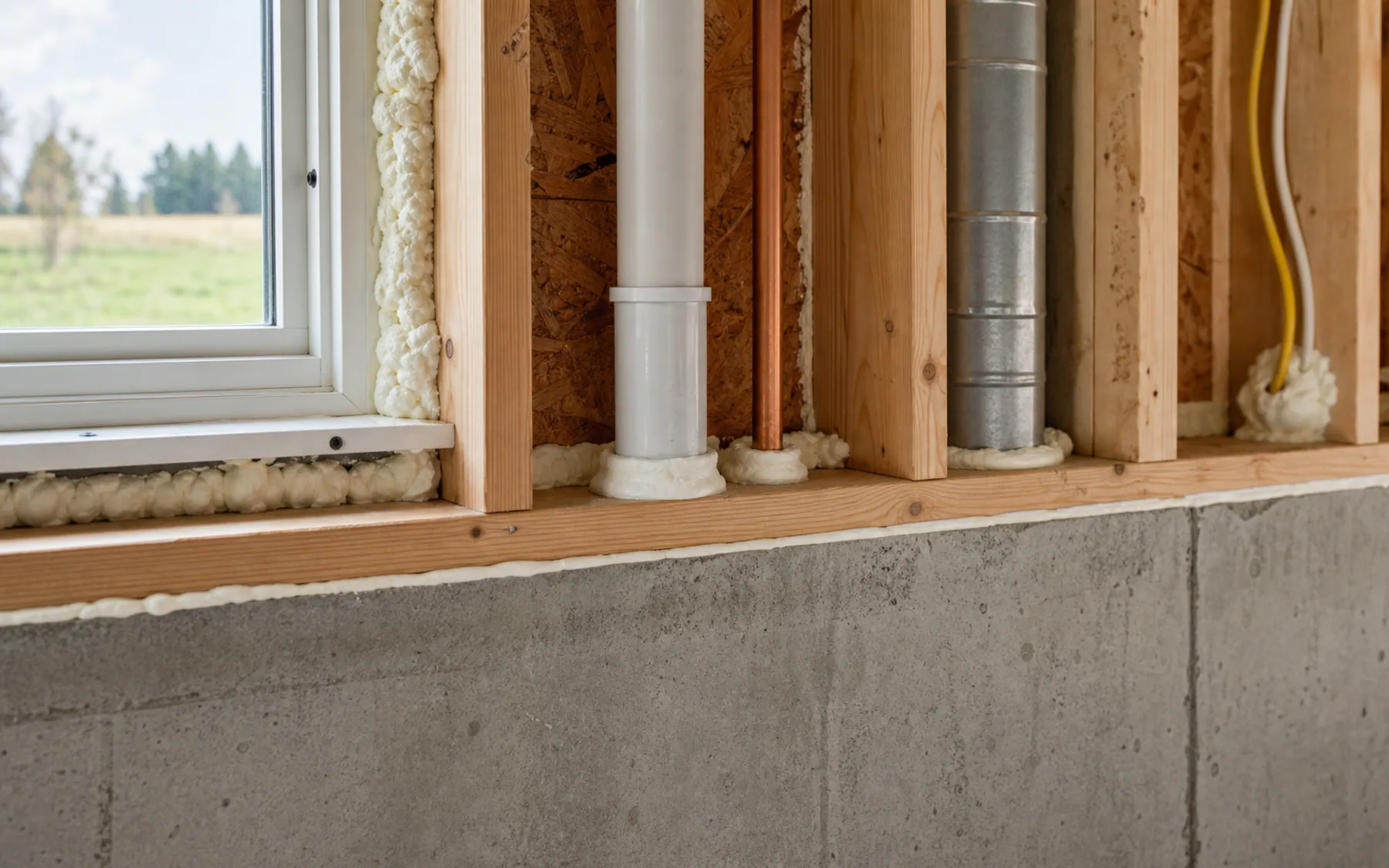
Penetrations where pipes and wires pass through walls, ceilings, and floors
The top and bottom plates of walls
Unsealed attic hatches and pull-down stairs
Electrical outlets, switches, and recessed lights
The rim joist, where the house frame meets the foundation
How We Diagnose Air Leakage
At AI Greenhome, we diagnose your home’s air leaks using a blower door test. Your air sealing contractor depressurizes the house to identify leaks using a system that includes:
Blower Door Test
Measurement of the home’s leak rate by using a calibrated fan that we mount to the exterior doors of the home. A manometer measures pressure differences and how much airflow is needed to maintain it.
Pressure Pan Testing
Isolation of leaks at precise locations in rooms allows us to get an accurate pan reading. Readings close to zero indicate minimal air leaking into and out of the home.
Thermal Imaging
Infrared cameras detect the difference in surface temperatures by analyzing radiation. Advanced imaging shows where a room is losing or gaining heat so we can seal the leaks.

Combustion Safety After Air Sealing
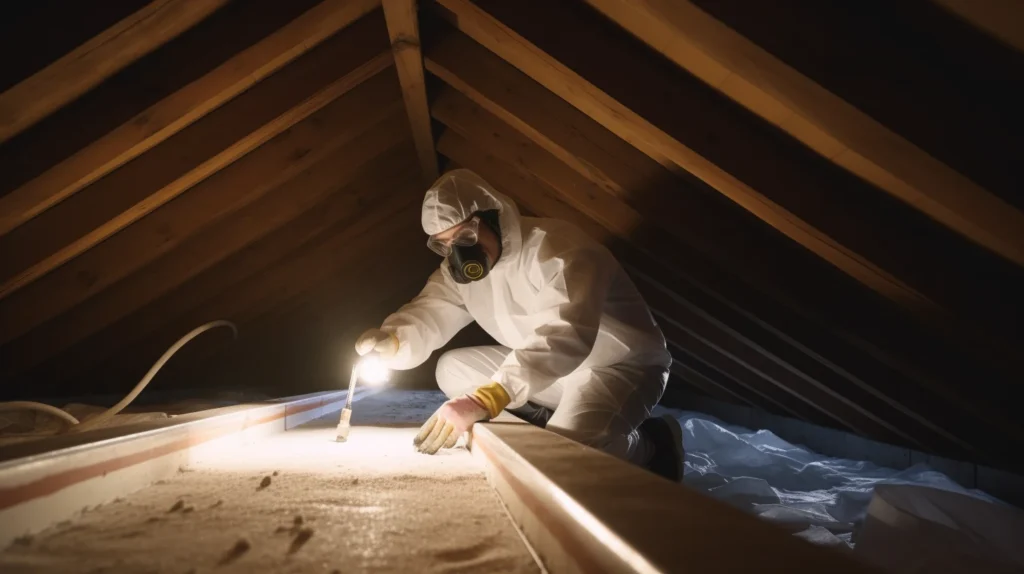
Home air sealing requires precision tests as part of the process. At Al Greenhome, we perform or coordinate a combustion safety test and a combustion appliance zone depressurization test.
Because tightening the pressure boundary changes how combustion appliances vent, we test them after sealing, not as an afterthought. Backdraft risks can cause combustion byproducts to enter the space, including carbon monoxide. Proper testing is part of every job to verify that the added sealing is not causing more harm than good.
Can a Home Be Sealed Too Tightly?
Yes, which is why our air sealing service follows strict ASHRAE 62.2 standards as the base benchmark for our service. Additional ventilation may be necessary to allow for healthy indoor air exchange, which may include exhaust fans, ERV/HRV or additional methods.
A blower door test tells our crew the level of tightness your home already has and whether or not ventilation needs to be added.
Air Sealing and Insulation Do Different Jobs
Your attic is a prime area for energy loss. Insulation and air sealing work in conjunction to increase efficiency, but they perform two different jobs. Insulation slows heat transfer through the R-value material that’s installed in the home.
A well-insulated but unsealed home still loses significant energy because insulation doesn’t stop the convective heat loss caused by moving air; air sealing does.
Add the two together, and your attic is more efficient. Having one without the other is like having your good winter coat unzipped and wondering why you’re cold.
Where Air Leaks Hide in New York Homes
Dense construction, additions, and conversions are common in NY. Air leak challenges in the state are unique, requiring precision to seal your space. Here are where leaks often hide:
Prewar attached homes
Rowhouses and brownstones have shared walls that create leak paths. Air barriers are often lacking entirely, relying on old materials to slow or prevent leaks.
Converted attics and dormers
Insulation in tight walls and sloped ceilings leaves gaps in dormer intersections. Skylight frames and where new framing meets the original structure all act as bypass points in the attic.
Cellar and basement conversions
Moisture and gaps are common in these living spaces. Rim joists, sill plates, and unsealed chutes are areas where additional seals can make a major difference in home comfort.
Two- to four-family houses
Party wall sharing and stacked floors are common areas of air loss in the home. Penetration occurs in electrical chases, shared chimneys and plumbing stacks, moving from one unit to the other.
Instant Rebates Available
Based on eligibility and location
- HVAC Systems
- Insulation Upgrades
- Energy Audits
- Heat Pumps
Rebates for Air Sealing
We work with homeowners to apply for the following rebate programs when eligible:
- NYSERDA
- PSEG Long Island
- Con Edison
- Orange & Rockland
- Central Hudson
We’ll help determine whether you’re eligible, assist with the paperwork and coordinate the program with the utility.
Many rebate applications require a documented blower door result that includes the before and after ACH50 number. Our home energy assessment includes this test and others.
Rebate eligibility depends on your location, utility account, project scope, property type and available program funding.

Income-Qualified Insulation Programs
Finances shouldn’t be a barrier to upgrading your home’s energy efficiency. Certain homeowners may qualify for special programs in the New York area.
Qualified homeowners who meet strict income requirements or receive benefits such as SNAP or SSI may be eligible for up to 100% coverage.
Eligibility depends on the specific program and is not based on income alone. A home energy assessment can help determine whether you qualify.
NYC Boroughs and Nearby Areas We Serve
AI Greenhome serves homes across the five boroughs and surrounding communities. AI Greenhome serves single-family and 2–4 family homes across New York City and nearby areas. NYC Boroughs: Manhattan · Brooklyn · Queens · Bronx · Staten Island
Nearby Areas: Long Island (Nassau · Suffolk)

FAQs
Have questions about air sealing and its benefits? Learn more about our services and how the process works in the frequently asked questions below.
Blower door tests measure the home’s overall airtightness and help find air leaks. Home energy assessments are evaluations that include this test and inspections of insulation and HVAC systems.
Sealing is done first, before the installation of insulation, to prevent drafts and help keep moisture out of the insulation material.
Yes. An airtight home can cause some gas appliances to backdraft toxic gases like carbon monoxide. Combustion safety tests check to see if gases are being exhausted outside.
ACH50 measures air changes per hour at 50 Pascals of pressure. Ventilation may be needed for safe indoor air quality if the home tests tighter than code allows without added ventilation.
Yes. Warm air escapes through the top-level bypasses and pulls cold air in below. Sealing stops this effect to eliminate a draft on the upper floor.
Pressure pan tests find ductwork leaks by measuring pressure differences over individual supply and return registers. Blower door tests measure the home’s leakage as a whole.
NYSERDA Comfort Home Program and the EmPower+ Program are potential rebate programs. Our assessment can help determine your eligibility and find other incentives.
Yes. AI Greenhome works only on single-family and 2- to 4-family homes.
Stop Wasting Energy Through Hidden Leaks
Tired of energy bill hikes? Schedule a free energy assessment with AI Greenhome to see if our house sealing services are a good fit for your home.