Small, smart upgrades add up faster than most homeowners expect. You do not need to gut a house down to the studs to see a real difference in comfort and cost. In Westchester, where summers can turn muggy, and winters bring long stretches below freezing, the right mix of energy-efficient home upgrades can smooth out those swings and keep utility bills far more predictable throughout the year.
The challenge for most homeowners is not deciding whether to make changes; it is figuring out where to start. Some upgrades cost very little and pay off almost immediately, while others require a bigger investment but deliver savings for decades. Knowing the difference helps you build a plan instead of tackling projects at random.
This guide walks through the upgrades that tend to make the biggest difference, how to prioritize them based on budget, and what incentives are currently available to help offset the cost.
Utility costs across the region have climbed steadily, and that trend alone has pushed many homeowners to take a closer look at where their energy is going. Beyond the monthly bill, there is a growing interest in simply using less, whether that comes from environmental concerns or a desire to future-proof a home before selling it.
Buyers increasingly notice energy-efficient features during a home search, and upgrades like insulation, air sealing, and modern HVAC equipment can support a stronger resale value down the line. According to ENERGY STAR, homeowners can save an average of fifteen percent on heating and cooling costs through sealing and insulation work alone, which shows just how much impact a relatively contained project can have.
There is also a comfort factor that often gets overlooked in the conversation about savings. A more efficient home tends to hold a steadier temperature from room to room, which means fewer arguments over the thermostat and a house that simply feels better to live in, year-round.
Air Sealing and Insulation
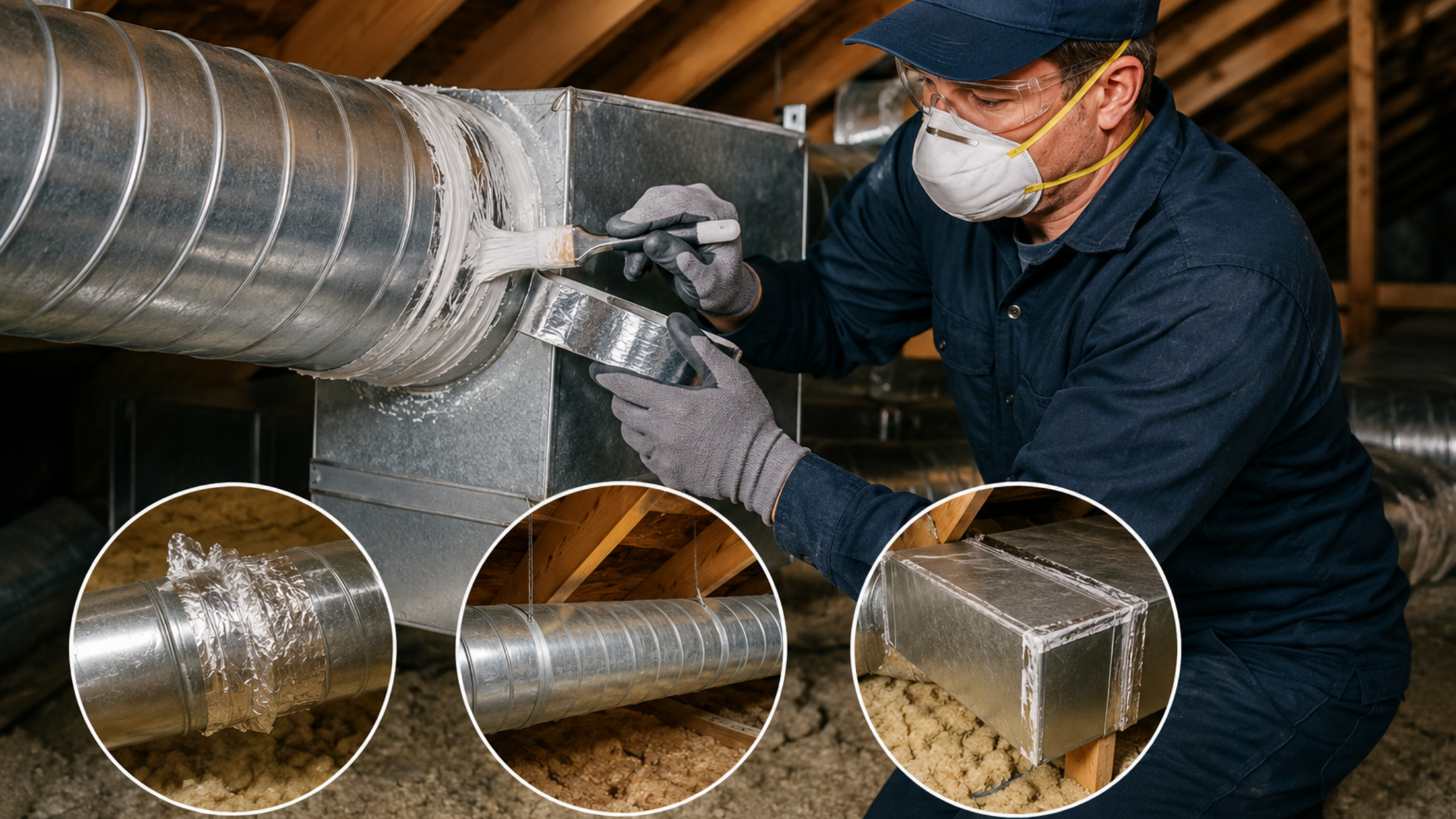
Before spending on new equipment, it usually makes sense to stop the waste that is already happening. Professional air sealing closes the gaps and cracks where conditioned air escapes, so the rest of the home's systems are not fighting a losing battle against drafts. This step alone often changes how a house feels within the first few days.
Smart Thermostats
A smart thermostat learns a household's daily patterns and adjusts heating and cooling automatically, cutting waste without anyone having to think about it. For homeowners who travel often or keep irregular schedules, this small device alone can shave a noticeable amount off monthly bills, and most models are simple enough to install and program in an afternoon.
Energy Efficient Windows and Doors
Old, drafty windows and doors let conditioned air slip out year-round. Upgrading to energy efficient models reduces that loss and also cuts down on outside noise, which is a nice bonus for homes near busier Westchester streets. Even simple weatherstripping updates can make a noticeable difference while a full window replacement is being planned.
Heat Pump Systems
A modern heat pump installation offers efficient heating and cooling from a single system, which simplifies maintenance and often lowers energy use compared to running a separate furnace and air conditioner. Many homeowners are surprised at how well today's models perform even during a cold Westchester winter.
It helps to start with a professional energy assessment through our energy efficiency programs to find out exactly where the biggest sources of loss are hiding. That way, money goes toward the upgrades that will actually move the needle instead of guessing at what might help.
From there, it usually makes sense to tackle lower-cost fixes first, such as air sealing and thermostat upgrades, before committing to larger investments like replacing windows or an entire HVAC system. Bigger upgrades can then be planned around rebate and incentive timing so the total out-of-pocket cost stays as low as possible. Spreading projects over a year or two also makes the process far less overwhelming than trying to do everything at once.
Westchester sits in a climate zone that sees real extremes in both directions, with humid, sticky summers and winters that regularly dip well below freezing. That range means upgrades chosen for a milder climate often underperform here, while upgrades built for genuine seasonal swings tend to hold up far better.
This is part of why air sealing and insulation consistently rank near the top of the list. They address the building envelope itself, which affects performance in both summer and winter, rather than solving for just one season at the expense of the other. A heat pump chosen with cold weather performance in mind offers a similar dual benefit, handling both sides of the year from a single, efficient system. A home that already has strong attic and wall insulation in place will typically see the biggest return from a heat pump upgrade.
New York State offers programs through NYSERDA that can significantly offset the cost of insulation, air sealing, and other efficiency upgrades, with additional incentives available depending on income and utility provider. These programs change from year to year, so it is worth asking a contractor which current rebates apply to your specific project before you begin.
For homeowners who do not qualify for a rebate program, financing options can still make it possible to spread the cost of a larger upgrade over time rather than paying everything upfront. Combining available rebates with a financing plan is often the most practical way to move forward without draining savings for a single project.
Energy savings tend to get most of the attention, but the day-to-day comfort improvements are often what homeowners notice first. A house with proper air sealing and insulation holds a steadier temperature from room to room, which means fewer thermostat battles between family members and fewer cold spots that make certain rooms feel unusable during the coldest weeks of winter.
A well-chosen heat pump adds another layer of comfort by providing more consistent airflow than an older, oversized furnace that tends to blast hot air in short bursts. Over time, these small differences add up to a home that simply feels calmer and more predictable to live in, regardless of what the weather is doing outside.
Once an upgrade is finished, it helps to have a way to see whether it actually worked. Comparing utility bills to the same months from the previous year gives a clearer picture than looking at a single month in isolation, since weather patterns vary from year to year and can otherwise muddy the comparison.
Comfort is another useful signal worth paying attention to. A house that used to run cold on the second floor or sticky in the upstairs bedrooms during summer should feel noticeably more even after insulation, air sealing, or an HVAC upgrade, even before the first full billing cycle confirms the savings on paper.
Most projects start the same way, with a walkthrough of the home to understand its current condition and where energy is being wasted. From there, a contractor should provide a clear scope of work along with pricing before anything begins, so there are no surprises once the project is underway.
Depending on the scope, a project can range from a single afternoon for something like air sealing to a few days for a combination of insulation and HVAC work. Homeowners generally do not need to vacate the house during most of these projects, though some coordination around noise and access to certain rooms is normal.
After the work is finished, a good contractor should be willing to explain what was done and answer any questions about how to get the most out of the new upgrades, whether that means adjusting thermostat settings or understanding how a new heat pump behaves compared to the old system.
One of the most frequent mistakes is jumping straight to a new HVAC system without first addressing insulation and air sealing. A brand new furnace or heat pump still has to fight against the same drafts and heat loss as the old one if the building envelope has not been improved, which means the upgrade never delivers the savings it should.
Another common misstep is treating every upgrade as equally urgent. Not every project needs to happen this year, and spreading investments out based on an actual assessment, rather than a sales pitch, usually leads to better decisions and a more comfortable home in the long run.
Finally, some homeowners skip the professional assessment altogether and rely on guesswork, which often means money gets spent on upgrades that were not the actual source of the problem. A short assessment upfront almost always saves money over the life of a project.
There is no single upgrade that solves everything, but a thoughtful mix of small and large changes makes a real difference in both comfort and cost. Whether you start with a smart thermostat or move straight into insulation and HVAC work, energy-efficient home upgrades in Westchester, NY tend to pay for themselves faster than most homeowners expect.
We are AI Greenhome, a BPI Gold Star Certified contractor helping homeowners across Westchester, New York's five boroughs, and Long Island plan and install the right mix of energy efficient upgrades. Call us at (646) 756-4866 or schedule your free consultation at ai-greenhome.com.

Air sealing and thermostat upgrades tend to offer the fastest return, since they cost relatively little but immediately cut down on wasted energy.
Modern heat pumps are built to perform well even in freezing temperatures, making them a realistic option for our region rather than just a warm climate solution.
Savings vary by home, but sealing and insulation work alone can cut heating and cooling costs by around fifteen percent according to ENERGY STAR, with additional savings possible from equipment upgrades.
Yes, NYSERDA and several utility providers offer rebate programs that can meaningfully reduce the upfront cost of qualifying upgrades, depending on income and location.
A professional energy assessment is the best starting point, since it identifies exactly where a home is losing the most energy before any money is spent.